Ju Dou (Film)
Overview
Ju Dou is a film that stands as a significant work in the history of Chinese cinema, both for its narrative depth and its impact on international perceptions of Chinese film. Directed by Zhang Yimou and Yang Fengliang, it was the second Chinese film to be nominated for an Academy Award for Best Foreign Language Film, following Red Sorghum in 1988. It is often categorized under the genre of "literary films," which were particularly influential in the late 20th century, known for their artistic narrative and visual composition.
Plot and Themes
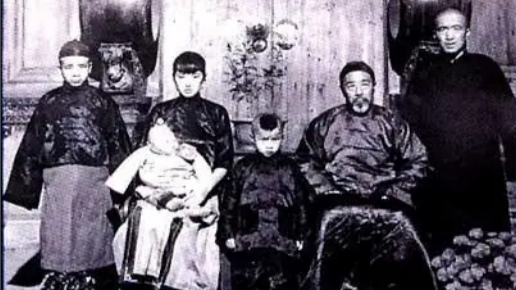
Ju Dou is set in rural China in the early 20th century and tells the story of a tragic love triangle involving Ju Dou, a young woman who is sold as a wife to an abusive, impotent dye mill owner, and her affair with her husband's nephew, Tianqing. The film explores themes of love, oppression, and resistance against traditional societal constraints. Through its narrative, Ju Dou critiques the patriarchal structures and the harsh realities faced by women in a feudal society.
Visual and Cinematic Style
The cinematography in Ju Dou is noted for its striking use of color and light, which enhances the storytelling and emotional intensity of the film. The use of vibrant colors in the dye mill, where much of the film takes place, serves as a metaphor for the characters' emotions and the oppressive atmosphere that surrounds them. Zhang Yimou's direction and Zhao Fei's cinematography are celebrated for their ability to convey deep emotional resonance and aesthetic beauty.
Cultural and Critical Reception
Ju Dou received widespread acclaim for its storytelling, visual style, and performances, particularly from lead actress Gong Li. The film's candid portrayal of passion and suffering in a repressive environment resonated with audiences worldwide and brought attention to the emerging wave of Chinese filmmakers in the international film scene.
However, the film's depiction of social issues and its criticism of traditional values led to its controversial reception in China. It was initially banned in its home country due to its perceived challenge to societal norms and authority, but eventually gained recognition as an important cultural work reflecting the complexities of Chinese history and society.
Impact and Legacy
The film's international success marked a significant milestone for Chinese cinema, showcasing the potential of films from the region to engage with global audiences while addressing universal themes. Ju Dou paved the way for subsequent Chinese films to gain recognition at major film festivals and awards.
Its inclusion in the prestigious list of Oscar-nominated films highlighted the growing influence of Chinese cinema on the world stage and reinforced the viability of films that combine artistic ambition with compelling storytelling. The film's legacy continues to influence filmmakers and audiences seeking to understand the interplay between traditional narratives and modern cinematic expression in Chinese culture.
Connection with Other Works
Ju Dou is often mentioned alongside other prominent films by Zhang Yimou, such as Raise the Red Lantern and Red Sorghum, which also explore themes of individual struggle against societal constraints and feature strong central performances by Gong Li. These films collectively contributed to Zhang Yimou's reputation as a master director capable of crafting visually stunning and emotionally powerful narratives.
Through its aesthetic and thematic accomplishments, Ju Dou remains a reference point for discussions on the evolution of Chinese cinema and its interaction with global film traditions. Article reference1. Chinese artist pays tribute to legendary Hollywood actress. chinadaily.com.cn. 20182. To bid, or not to bid: the Oscar race in China. chinadaily.com.cn. 2017Photo Gallery(2 pictures)CategoriesArtsTagFilm and TVCatalogue1. Overview2. Plot and Themes3. Visual and Cinematic Style4. Cultural and Critical Reception5. Impact and Legacy6. Connection with Other Works- - - []








